






A sore leg after a long day can look harmless, and that is exactly why this condition gets missed. Deep Vein Thrombosis can start with swelling, warmth, tenderness, or color change in one leg, yet many adults explain it away as a pulled muscle, aging, travel fatigue, or sitting too long. That mistake can carry real danger because a clot in a deep vein may travel to the lungs and cause a pulmonary embolism, which can bring sudden shortness of breath, chest pain, fainting, or coughing blood.
For adults in the United States, the risk often hides inside normal life: a cross-country flight, knee surgery, cancer treatment, pregnancy, desk work, a hospital stay, or a weekend where you barely moved. A smart health routine is not only about diet or fitness; it also means knowing when your body is sending a signal that deserves fast care. Many readers who follow trusted wellness resources and health awareness platforms already understand one hard truth: early action beats regret every time.
DVT Warning Signs Adults Should Never Brush Off
The first challenge is that a clot does not always announce itself like an emergency. It may begin as a local change in one leg, especially the calf or thigh, and the signs can feel ordinary enough to dismiss. That is the trap. A symptom does not need to feel dramatic to deserve attention.
One-sided leg swelling that feels out of place
One leg swelling more than the other should get your attention fast. Deep vein clots often affect the lower leg, thigh, or pelvis, and swelling can appear because blood has trouble moving back toward the heart.
The key detail is imbalance. Both ankles may puff up after salty food or a long hot day, but one calf looking tighter, fuller, or heavier than the other tells a different story. A sock mark on one side, a shoe that suddenly feels snug, or a calf that looks rounded compared with yesterday can matter.
A real-world example makes this clearer. An adult in Phoenix drives six hours to visit family, gets home, and notices one calf feels stretched under the skin. There is no big injury, no fall, and no dramatic pain. That “small” change is exactly the kind of warning that should lead to a call to a healthcare provider.
Pain or tenderness that does not behave like a normal cramp
Leg pain from a clot often gets mistaken for a muscle pull. It may feel like soreness, cramping, pressure, or tenderness, especially when you stand, walk, or flex the foot. The CDC lists pain or tenderness as a typical DVT sign, along with swelling, warmth, and skin color change.
A gym strain usually has a story. You remember the squat, the awkward step, the yard work, or the moment something tightened. Clot-related pain can feel more mysterious. It may settle into the calf or thigh and keep nagging without a clear cause.
The unexpected part is that the pain may not be sharp. Some adults wait because they expect a clot to feel unbearable. Not always. A dull ache that stays, grows, or pairs with swelling deserves more respect than a dramatic pain that fades after rest.
Skin Changes That Point Beyond Ordinary Leg Soreness
Pain and swelling often get the most attention, but skin can speak early too. Warmth, redness, darker color, or unusual tenderness over one area may show that blood flow has changed below the surface. These signs matter more when they appear on one side and do not match the rest of your body.
Warmth, redness, or discoloration in one area
A warm patch over the calf or thigh should not be ignored when it appears with swelling or pain. DVT symptoms can include warmth in the affected area and redness or discoloration of the skin over the clot.
Adults often blame a warm leg on weather, tight pants, or standing too long. That can be true, but heat that feels localized is different. When one section of the leg feels warmer than the same spot on the other side, your body may be showing inflammation around a blocked vein.
Skin tone also affects how this sign appears. On lighter skin, redness may stand out. On brown or Black skin, the area may look darker, purplish, grayish, or simply “off.” Looking for contrast against your normal skin can help you catch what a quick glance might miss.
A heavy, tight, or full feeling under the skin
Some warning signs do not look impressive from the outside. A leg can feel tight, heavy, or full before swelling becomes obvious. That feeling can be easy to downplay, especially if you have been sitting at a desk, standing at work, or traveling.
The body often gives pressure signals before it gives a clear visual clue. You may notice that bending the knee feels odd, the calf feels packed, or the leg seems tired for no fair reason. That is not proof of a clot, but it is enough to watch closely and seek advice when it comes with other signs.
A counterintuitive point matters here: walking it off is not always wise. Gentle movement prevents many clots, but once you suspect a clot, pushing through pain or massaging the area is a poor bet. The safer move is medical guidance, not a toughness contest with your own vein.
When the Danger Moves From the Leg to the Lungs
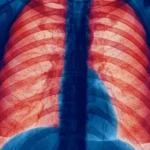
The leg symptoms matter because of what can happen next. A clot can break loose and travel to the lungs, causing a pulmonary embolism. That can become life-threatening fast, even if the original leg symptoms seemed mild or went unnoticed.
Sudden shortness of breath or chest pain
Breathing trouble that arrives without a clear reason is an emergency signal. A pulmonary embolism can cause sudden shortness of breath, chest pain that worsens with deep breathing or coughing, rapid breathing, and a fast pulse.
This is where adults lose time by trying to explain symptoms away. They blame anxiety, heartburn, a cold, or being out of shape. Those explanations may fit some days, but sudden breathing trouble paired with chest discomfort deserves emergency care, not a home diagnosis.
The chest pain may feel sharp, tight, or worse when you inhale. It may not feel like the classic “heart attack” pain people expect from movies. That difference is exactly why pulmonary embolism symptoms can confuse people at the worst possible moment.
Fainting, coughing blood, or a racing heartbeat
A clot in the lungs can strain the heart and disrupt oxygen flow. Warning signs can include fainting, lightheadedness, coughing blood, low blood pressure, or a heartbeat that feels faster or irregular. The CDC advises seeking medical help immediately for pulmonary embolism symptoms.
These signs need a direct response. Call emergency services if sudden shortness of breath, chest pain, fainting, or coughing blood appears. Waiting to “see how it feels tomorrow” can turn a treatable problem into a disaster.
A hard truth belongs here: the leg may not warn you first. The CDC notes that a pulmonary embolism can happen without symptoms of DVT being noticed beforehand. That means lung symptoms should stand on their own as urgent, even when your legs feel normal.
Deep Vein Thrombosis Risk Clues That Make Symptoms More Serious
Symptoms do not happen in a vacuum. The same calf ache means more after surgery than it does after dancing at a wedding. Risk clues help you decide when a small sign deserves a faster call, especially when your gut says something feels wrong.
Recent surgery, hospital stays, injury, or long travel
Blood clots become more likely after major surgery, major injury, serious infection, inflammation, and long periods without movement. NHLBI also notes that DVT usually forms in the lower leg, thigh, or pelvis, which matches where many adults notice early symptoms.
Think about a knee replacement patient in Ohio who spends several days resting at home. Mild calf swelling may not look alarming at first. In that setting, though, the symptom carries more weight because surgery and reduced movement already raised the stakes.
Long travel matters too. A flight from New York to Los Angeles or a long drive across Texas can keep your legs still for hours. Movement breaks, hydration, and following medical advice help lower risk, but they do not erase the need to act when one-sided symptoms appear.
Hormones, cancer, pregnancy, age, and past clots
Risk can also rise through personal health factors. Cancer, pregnancy, some hormone therapies, birth control pills, older age, prior clots, obesity, smoking, and inherited clotting tendencies may all change how seriously you should treat leg symptoms. The exact risk picture belongs in a conversation with a clinician, not a search box.
This is where personal context matters. A healthy 28-year-old and a 68-year-old recovering from hip surgery should not interpret the same calf pain the same way. Medicine lives in details, and details are where smart decisions begin.
The unexpected insight is that knowing your risk does not make you anxious; it makes you faster. People often fear that paying attention will turn them into worriers. In practice, it gives you a cleaner rule: when a suspicious symptom appears in a higher-risk moment, you stop bargaining and get checked.
A warning sign is not a diagnosis, and that distinction protects you from both panic and denial. Deep Vein Thrombosis requires medical testing, often imaging, because symptoms alone can be nonspecific and misleading. Still, your job is not to prove the clot at home. Your job is to notice the pattern, respect the risk, and get help before the problem gets a vote. If one leg becomes swollen, painful, warm, or discolored, call a healthcare provider promptly. If breathing trouble, chest pain, fainting, or coughing blood appears, seek emergency care immediately. Adults lose too much time trying to be reasonable with symptoms that deserve action. Trust the signal, make the call, and let a medical professional decide what happens next.
Frequently Asked Questions
What are the first warning signs of DVT in adults?
One-sided leg swelling, calf or thigh pain, warmth, tenderness, redness, or skin discoloration are common early signs. The symptoms may feel mild at first, which makes them easy to miss. A sudden change in one leg deserves medical advice.
Can deep vein thrombosis happen without leg pain?
Yes, a clot can form with little pain or no obvious leg symptoms. Some adults notice only swelling, tightness, warmth, or color change. Others first notice symptoms after the clot affects the lungs, which is why sudden breathing trouble needs urgent care.
How do I know if calf pain is a blood clot?
Calf pain is more concerning when it affects one leg, has no clear injury, continues at rest, or appears with swelling, warmth, or color change. A healthcare provider may order an ultrasound or other testing to check for a clot.
When should I go to the ER for possible DVT?
Go to the ER if you have sudden shortness of breath, chest pain, fainting, coughing blood, or a fast irregular heartbeat. These can signal a pulmonary embolism. For leg-only symptoms, call a healthcare provider promptly for same-day guidance.
Can sitting too long cause a blood clot in the leg?
Long periods of stillness can raise clot risk, especially during flights, road trips, hospital stays, or bed rest. Movement helps blood flow through the legs. Risk rises further if you recently had surgery, injury, cancer treatment, pregnancy, or past clots.
What does DVT swelling usually look like?
DVT swelling often affects one leg more than the other. The calf, ankle, foot, or thigh may look fuller, tighter, or heavier. A shoe or sock may suddenly feel tighter on one side, even without a clear injury.
Should I massage a leg if I suspect a blood clot?
No. Do not massage a leg when you suspect a clot. It may increase risk if a clot is present. The safer choice is to stop guessing, avoid pressure on the area, and contact a healthcare provider for proper evaluation.
How can adults lower the risk of deep vein blood clots?
Move during long travel, follow post-surgery instructions, stay hydrated, avoid smoking, manage weight, and discuss hormone therapy or clot history with a clinician. Higher-risk adults may need compression devices or blood-thinning medicine under medical supervision.