









A healthy person can carry a serious problem for years and feel nothing at all. That is the hard truth behind disease screenings: they often matter most before your body sends a loud warning. Across the United States, doctors lean on preventive testing because blood pressure, blood sugar, certain cancers, cholesterol trouble, and infections can stay quiet while damage builds. Good screening is not panic medicine. It is a calm way to catch risk while you still have better choices, lower treatment burden, and more room to act. For readers who follow health, wellness, and public awareness topics through trusted media resources like preventive health coverage, the real lesson is simple: early detection only helps when you treat screening as part of normal adult life, not something you save for a scare. The smartest plan is not the longest list of tests. It is the right test, at the right age, for the right person, guided by a clinician who knows your history.
Disease Screenings That Catch Silent Risk Before Symptoms Start
Silent conditions create the most unfair health surprises because they rarely interrupt your routine. You can work, drive, sleep, and care for your family while high blood pressure or rising blood sugar quietly changes your future. The strongest early checks are often the least dramatic ones, and that is exactly why people skip them.
Blood pressure checks reveal risk hiding in plain sight
Blood pressure screening looks too simple to impress people. A cuff tightens, numbers appear, and the visit moves on. Yet that quick reading can point toward stroke risk, kidney strain, heart disease, and blood vessel damage long before chest pain or dizziness appears.
The U.S. Preventive Services Task Force recommends screening adults 18 and older for high blood pressure, with confirmation outside the clinical setting before treatment decisions are made. That matters because one rushed reading in a clinic can mislead, while repeated home or ambulatory readings show the real pattern.
A real-world example is the 42-year-old office worker in Ohio who feels fine but gets a 148/94 reading during an annual visit. That number is not a diagnosis by itself, but it is a door opening. A home monitor, a few weeks of readings, and a focused conversation can prevent years of silent damage.
Diabetes and cholesterol tests expose slow-moving danger
Blood sugar and cholesterol problems do not usually announce themselves early. You may not feel thirst, fatigue, chest pressure, or nerve pain while your numbers drift into a range that raises long-term risk. That gap between “I feel fine” and “my labs are changing” is where prevention earns its keep.
The USPSTF recommends screening for prediabetes and type 2 diabetes in adults ages 35 to 70 who have overweight or obesity. For many Americans, that single lab panel becomes the first honest signal that daily habits, family history, weight, sleep, and activity are meeting inside the bloodstream.
Cholesterol screening works in a similar way. A person can have high LDL cholesterol for years without a symptom, then learn about it only after a heart event. That is backward. A lipid panel gives you a chance to adjust food choices, movement, medication, or follow-up before the first emergency writes the story for you.
Cancer Screening Tests That Give Time Back to Patients
Cancer screening carries emotional weight because everyone knows someone touched by a late diagnosis. The key is not to test for everything. The key is to screen for cancers where evidence shows early detection can change outcomes, especially when age, sex, smoking history, family history, and past results shape the decision.
Colorectal cancer screening belongs on the calendar at midlife
Colorectal cancer screening has become one of the clearest examples of prevention doing double duty. Some tests can find cancer early, while others can help find growths before they become cancer. That is a rare gift in medicine, and it should not be wasted.
The American Cancer Society reaffirmed in its 2026 colorectal cancer screening guideline update that average-risk adults should start screening at age 45 and continue through age 75 when life expectancy is more than 10 years. Options may include stool-based tests or visual exams, and the best choice is the one a patient will complete on schedule.
A 48-year-old parent in Texas may choose an at-home stool test because scheduling a colonoscopy feels hard around work and child care. That is not failure. The wrong move is doing nothing while waiting for the “perfect” option. Completed screening beats postponed intention every time.
Breast, cervical, and lung screening need personal timing
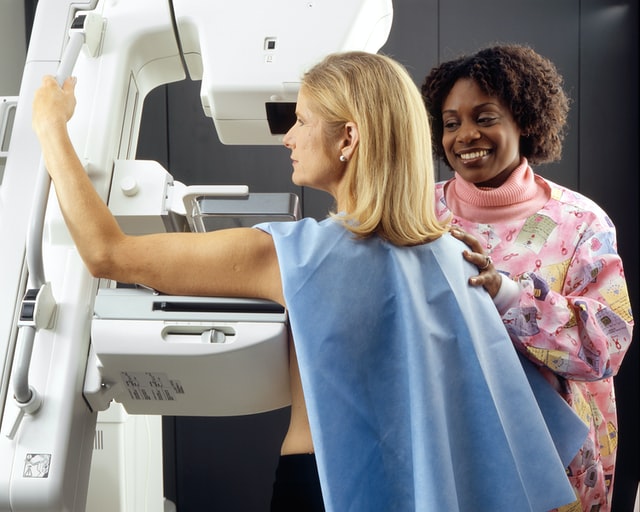
Breast cancer screening is not one-size-fits-all, and pretending otherwise makes people tune out. Mammograms can detect cancer before a lump is felt, but timing depends on age, risk level, breast density, prior findings, and personal values. A woman with a strong family history deserves a different conversation than someone at average risk.
Cervical cancer screening is another case where the test can change the path before cancer develops. Pap testing and HPV testing help identify cell changes or high-risk infection patterns that need follow-up. The CDC notes that cervical cancer screening can help prevent cervical cancer or find it early, with USPSTF guidance including cytology every three years for women ages 21 to 29.
Lung cancer screening is more selective, and that is the point. Low-dose CT scans are aimed at people with a significant smoking history, not every adult who ever had a cough. The counterintuitive truth is that better screening sometimes means fewer people screened, because the right group gets the benefit without exposing lower-risk people to unnecessary follow-up.
Routine Preventive Health Screenings That Shape Long-Term Care
A strong prevention plan is built from ordinary appointments, not rare medical events. Annual visits, pharmacy blood pressure stations, workplace health fairs, Medicare wellness visits, and community clinics all play a role. The American health system can feel scattered, so patients need a practical way to turn scattered checks into one coherent record.
Infectious disease screening protects more than one person
HIV, hepatitis C, and sexually transmitted infection screening can feel personal, so many adults avoid the topic. That avoidance is understandable, but it is expensive in the human sense. Untreated infections can harm the liver, immune system, fertility, pregnancy outcomes, and partners who never knew they were exposed.
Screening is not a judgment about someone’s character. It is a normal part of adult health care. A married person, a divorced person dating again, a pregnant patient, or someone who had a blood exposure at work may all need testing for different reasons.
The best clinicians make these conversations plain and private. They do not turn them into a lecture. That matters in a country where shame keeps people away from care, especially in smaller towns where privacy feels thin and everyone seems to know someone at the clinic desk.
Bone, vision, hearing, and mental health checks catch decline early
Not every early-stage disease is cancer or heart disease. Osteoporosis can move quietly until a wrist, hip, or spine fracture changes someone’s independence. Vision loss can creep in slowly until driving at night becomes risky. Hearing loss can look like irritability or withdrawal before anyone names the real issue.
Mental health screening deserves a place in this same conversation. Depression and anxiety often show up as sleep trouble, low energy, poor focus, missed work, or physical complaints. A short screening tool during a primary care visit can open a door that pride or habit kept shut.
A 68-year-old in Florida who starts avoiding family dinners may not be “getting difficult.” He may be missing half the conversation because of hearing loss. That is the kind of quiet decline screening can uncover, and it changes how families respond.
How Americans Can Build a Smarter Screening Plan With Their Doctor
The best screening plan is personal without being random. Age matters, but it is not the whole story. Family history, race, pregnancy history, smoking, weight, job exposures, past abnormal results, insurance coverage, and access to transportation all shape what makes sense.
Family history can move testing earlier
Family history is not background trivia. It can change the age you start screening, the type of test you choose, and how often you repeat it. Colon cancer in a parent, breast cancer in a sibling, early heart disease in a father, or diabetes across several relatives all deserve attention.
Patients often underreport family history because they do not know exact diagnoses. That is fine. A rough but honest record is better than silence. “My mother had colon cancer in her early fifties” gives a doctor more direction than “cancer runs in the family.”
The unexpected part is that family history can also prevent unnecessary testing. When your doctor knows what is not present, they can avoid chasing fear. Good screening is not more aggressive by default. It is sharper.
Follow-up matters more than the first test
A screening test is the opening move, not the finish line. An abnormal result can mean many things, including false alarms, early disease, higher risk, or a need for a better test. The danger comes when people panic, ignore the result, or get lost between referral calls.
Follow-up is where many American patients struggle. A person may complete a stool test, receive an abnormal result, then delay colonoscopy because of cost, fear, time off work, or confusion. The original screening helped only halfway. The next step is where early detection becomes real care.
Every patient should leave a screening visit knowing three things: what was tested, when results should arrive, and what happens if the result is abnormal. Write it down. Put the follow-up date in your phone. Ask for the portal message in plain language. Your future self will thank you.
Screening is not about living scared. It is about refusing to let silent disease control the calendar. The most recommended screenings are useful because they turn hidden risk into a clear next step, and that is power most people underestimate. You do not need every test your neighbor had, and you do not need to wait until something feels wrong. You need a plan that fits your age, your risks, your family history, and your life in the United States health system. Talk with your primary care doctor, bring your medication list, write down family diagnoses, and ask which tests are due this year. The strongest move is simple: schedule the visit before symptoms make the decision for you.
Frequently Asked Questions
What health screenings should adults get every year?
Most adults should discuss blood pressure, weight, medication review, mental health, tobacco or alcohol use, and needed vaccines during routine care. Some labs, cancer checks, and infection tests depend on age, sex, family history, and past results, so the yearly visit should update the plan.
What is the best screening test for early cancer detection?
There is no single best test for every cancer. Colorectal, breast, cervical, and lung cancer screening each use different tools for different people. The strongest choice depends on your age, risk level, symptoms, family history, and whether you can complete the needed follow-up.
When should adults start colorectal cancer screening?
Average-risk adults in the United States usually start colorectal cancer screening at age 45. People with family history, inflammatory bowel disease, certain genetic conditions, or previous abnormal findings may need earlier or more frequent testing through a doctor-guided plan.
How often should blood pressure screening be done?
Adults should have blood pressure checked on a regular basis, often during routine medical visits. People with elevated readings, heart disease risk, kidney disease, diabetes, or past high readings may need more frequent checks, including home monitoring to confirm patterns.
Are at-home screening tests reliable enough?
Some at-home tests, such as certain colorectal stool tests, can be useful when used correctly and repeated on schedule. They do not replace every office-based test, and abnormal results usually need follow-up. The value depends on choosing a validated test and completing the next step.
Which screenings are most important after age 50?
Adults after 50 often need closer attention to colorectal cancer, breast cancer, blood pressure, cholesterol, diabetes risk, vision, hearing, bone health, and selected infection screening. Smoking history may also raise the need for lung cancer screening discussions.
Can preventive screenings find disease before symptoms appear?
Yes. Many screenings are designed to detect risk or early disease before symptoms show up. High blood pressure, high cholesterol, prediabetes, cervical cell changes, and early colorectal cancer can all remain quiet while screening still finds a warning sign.
How should I prepare for a preventive screening appointment?
Bring your medication list, past test results, family history, insurance information, and any symptoms you have noticed. Ask which screenings are due now, which can wait, and what follow-up is needed if a result comes back abnormal.