






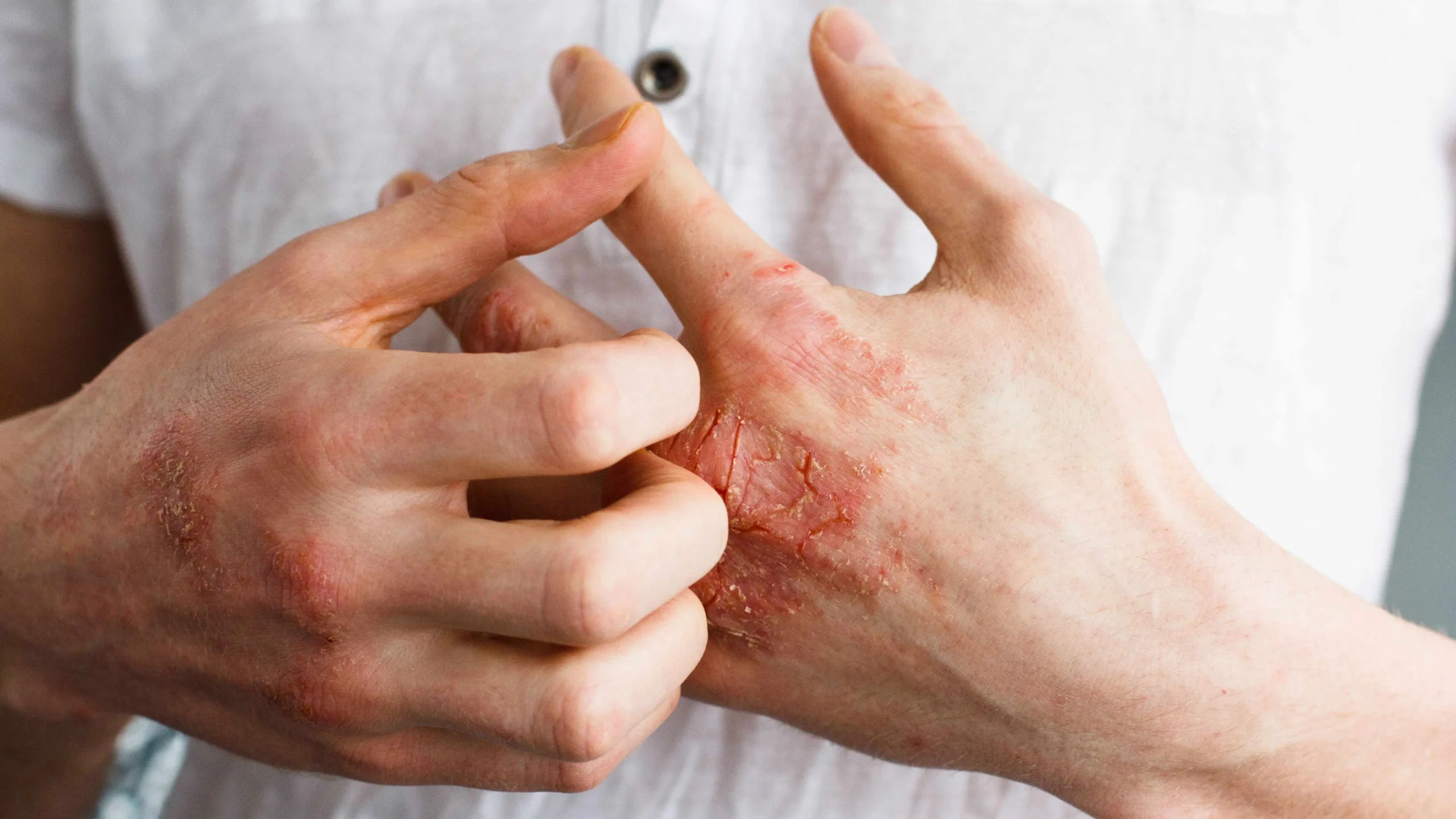
Dry, angry skin can take over a day faster than most people admit. The itch steals focus at work, ruins sleep, and makes simple things like washing dishes or wearing a sweater feel personal. Learning to handle eczema naturally starts with one honest idea: your skin is not being dramatic, it is asking for a steadier environment. Eczema is a long-lasting, non-contagious inflammatory skin condition that can flare, calm down, and flare again, so the goal is control rather than a miracle cure.
For many Americans, steroid-free eczema care begins in the bathroom cabinet, the laundry room, the bedroom, and the grocery aisle. That sounds too plain to be powerful, but eczema often improves when the skin barrier stops getting hit from all sides. A gentle routine, smart trigger tracking, and early itch control can reduce the cycle before it turns into cracked skin. For broader wellness and health-focused reading, resources like trusted lifestyle health updates can help readers stay aware of practical everyday choices.
Build a Skin Barrier Routine That Stops the Daily Damage
The skin barrier is where most natural eczema plans either win or fail. People often chase one magic cream, then miss the bigger pattern: hot showers, scented soap, dry indoor air, rough clothes, and skipped moisturizer all keep reopening the same problem. A calmer routine does not need to be fancy. It needs to be repeatable on a Tuesday morning when you are tired.
Why the “Soak and Seal” Habit Works Better Than Random Lotion
Warm bathing can help eczema when it is short, gentle, and followed fast with moisturizer. The American Academy of Dermatology recommends warm rather than hot water, short baths or showers, mild fragrance-free cleanser only when needed, and moisturizer after bathing. That sequence matters because damp skin holds moisture better than skin that has already dried out.
A good American bathroom routine looks plain: a five-to-ten-minute shower, no scented body wash, a soft towel pat, then a thick cream or ointment before the skin feels tight. The counterintuitive part is that water alone is not the enemy. Water without sealing is the problem. Let it evaporate, and it can leave the skin drier than before.
Lotions often feel nicer in summer, but creams and ointments usually protect eczema-prone skin better because they create a heavier seal. Petroleum jelly is cheap, widely available, and recommended by dermatologists for several dry-skin uses, which makes it useful for families trying to control cost without gambling on trendy jars. The best moisturizer is not the prettiest one. It is the one you will use twice a day without arguing with yourself.
Fragrance-Free Does Not Mean Boring, It Means Safer
Scent is one of the sneakiest troublemakers in eczema home remedies. A product can smell clean, expensive, botanical, or “baby soft” and still irritate damaged skin. Fragrance-free cleanser, fragrance-free detergent, and no dryer sheets sound dull, but dull is often the mood eczema skin needs.
Laundry deserves more attention than it gets. Shirts, pajamas, towels, and sheets touch inflamed skin for hours, so a scented detergent can act like a slow drip of irritation. The AAD notes that sensitive-skin detergent may help and scented fabric softeners or dryer sheets may contribute to irritation. A parent in Ohio washing a child’s soccer uniform, or an adult in Arizona rinsing sweat from work shirts, may see more improvement from changing laundry products than from buying another serum.
Clothing can help too. Soft cotton layers, loose cuffs, and breathable sleepwear reduce friction. Wool sweaters, tight leggings, scratchy seams, and heat-trapping synthetic fabrics can turn a small patch into a full itch session. The quiet trick is to dress for the skin you have during a flare, not the outfit you wanted before it started.
Use Eczema Naturally in a Way That Respects Inflammation
Natural care should not mean pretending inflammation is harmless. The smartest plan lowers irritation, protects moisture, and gives the skin fewer reasons to panic. That approach feels less exciting than a viral remedy, but it works closer to how eczema behaves in real life.
Cool the Itch Before Scratching Takes Over
Itching is not a small symptom. It is the engine that keeps eczema moving. Once scratching breaks the skin, the area stings, thickens, scabs, and may become more open to infection. That is why natural eczema relief needs an itch plan before bedtime, not after the sheets already feel unbearable.
Cool compresses can interrupt the urge without adding new chemicals. Press a clean, damp, cool cloth on the itchy area for a few minutes, then moisturize. Keep nails short. For children, soft cotton gloves at night can protect the skin during sleep. This is not overprotective. It is practical damage control.
Wet wrap therapy can help severe itching for some people, but it should be done with medical guidance. Dermatologists may recommend wrapping treated skin with a damp layer and then a dry layer to keep skin hydrated and protect it from scratching. The unexpected lesson is that covering the skin can calm it better than exposing it to “breathe.” Eczema skin often needs protection more than air.
Oatmeal, Bleach Baths, and the Difference Between Useful and Risky
Some home methods have a place, but they need boundaries. Colloidal oatmeal baths can feel soothing for itch, especially when the water is lukewarm and the bath stays short. The mistake comes when people turn a soothing bath into a long soak, add essential oils, or scrub the skin afterward.
Diluted bleach baths sound harsh, yet dermatologists sometimes recommend them for eczema that gets infected often. AAD guidance notes twice-weekly bleach baths may help children with frequent infections, but families should discuss this with a dermatologist first. This is where natural does not always mean plant-based. Sometimes the safer option is a carefully diluted, doctor-guided method rather than an oil blend from a social media post.
Essential oils deserve caution. Tea tree, lavender, peppermint, citrus oils, and homemade herbal mixes can burn or sensitize eczema-prone skin, especially when the barrier is cracked. A patch of inflamed skin is not the place to test a wellness trend. When your skin is already shouting, do not hand it a megaphone.
Find Eczema Flare Triggers Without Turning Life Into a Fear List
Trigger control works best when it stays specific. Many people try to remove everything at once: dairy, gluten, perfume, pets, heat, dust, stress, workouts, makeup, and half their wardrobe. That can make life smaller without making the skin better. A better method is to track patterns with patience and test one change at a time.
Weather, Sweat, and Indoor Air Can Be Bigger Than Food
American eczema routines need to account for climate. A winter flare in Minnesota is not the same as a sweat-triggered rash in Florida. Cold air, indoor heat, low humidity, and heavy clothing can dry the skin. Summer heat, sweat, sunscreen, and pool chlorine can irritate it from the other direction.
A humidifier can help in dry homes, especially during heated winter months, but it must be cleaned so it does not grow mold. Short rinses after sweating can also help. The point is not to avoid movement. It is to remove sweat before salt sits on the skin and starts trouble. A teenager after basketball practice and a nurse after a long shift may need the same boring answer: rinse, pat, moisturize, change clothes.
Food gets blamed fast, and sometimes it matters. Still, broad food elimination without a clear reaction can backfire, especially for children. It may create stress, poor nutrition, and no real skin gain. Eczema flare triggers are often environmental and routine-based before they are dietary. That is not as dramatic as a “cut this one food” claim, but it is often closer to the truth.
A Two-Week Trigger Log Beats Guesswork
A trigger log does not need an app, a spreadsheet, or a color-coded system. A simple note on your phone can work. Record sleep, weather, sweat, new products, foods that seem suspicious, stress, laundry changes, and where the rash appears. The location matters because hand eczema may point to soaps, gloves, sanitizer, or work exposure, while neck eczema may point to fragrance, hair products, jewelry, or clothing tags.
Patterns usually show up after several days, not after one dramatic moment. That is why one flare after pizza does not prove pizza caused it. But three itchy nights after using a scented body oil tells a stronger story. Natural eczema relief improves when you stop treating every day like a mystery.
The practical rule is simple: change one variable, hold everything else steady, and watch. Switch detergent for two weeks. Then adjust shower temperature. Then test a different moisturizer. This slower method feels less satisfying at first, but it saves you from blaming the wrong thing and living under fake rules.
Know When Steroid-Free Eczema Care Needs Medical Backup
Trying to avoid steroids is understandable for many families. Some people worry about side effects. Others have used them too often without a clear plan. The safer position is not “never use medicine.” It is “use the right care for the right severity, with the least risk and the most control.”
Non-Steroid Options Are Real, Not a Last Resort Fantasy
Dermatology has moved far beyond one tube for every flare. The AAD’s atopic dermatitis guidelines include several non-steroid and advanced options, including topical ruxolitinib, tapinarof, biologic medicines, oral JAK inhibitors, phototherapy, and other treatments for selected patients. The same guideline page also notes a strong recommendation against systemic corticosteroids for atopic dermatitis.
That does not mean every person needs advanced medicine. Mild eczema may respond well to barrier repair and trigger control. Moderate eczema may need a prescription non-steroid anti-inflammatory. Severe eczema may require a dermatologist who can match treatment to the immune pattern, infection risk, sleep loss, and body area involved.
Face, eyelids, hands, genitals, and widespread flares deserve extra care because skin thickness and daily function matter. A warehouse worker with cracked hands cannot “wait it out” forever. A child who scratches until bleeding is not failing at self-control. At that point, medical help is not giving up on natural care. It is protecting the skin before the flare writes a deeper story.
Warning Signs You Should Not Handle Alone
Some eczema needs same-week medical attention. Yellow crust, oozing, spreading warmth, swelling, fever, painful skin, or sudden worsening can point to infection. Eczema herpeticum, a herpes-related skin infection, can become serious and needs urgent care. Eye-area flares also deserve caution because rubbing and swelling near the eyes can create more risk than a patch on the arm.
Sleep loss is another warning sign people underrate. If itching keeps you awake most nights, the flare is already affecting your health. Poor sleep raises stress, stress worsens itch, and the loop keeps feeding itself. No moisturizer plan can carry the whole burden if the immune response is running wild.
The goal is to manage eczema naturally while staying honest about limits. Build the daily routine, cut the obvious irritants, cool the itch, and track triggers with care. Then bring in a dermatologist when the skin stops responding or starts looking infected. Your best next step is not to swear off every treatment; it is to create a calm, consistent plan and adjust it before the next flare gets loud.
Frequently Asked Questions
What are the best natural ways to calm eczema itching at night?
Use a thick fragrance-free moisturizer before bed, keep the room cool, wear soft cotton sleepwear, and apply a cool compress before the itch peaks. Short nails also help protect the skin during sleep. Night itching needs prevention, not panic at 2 a.m.
Can eczema go away without steroid creams?
Mild eczema can improve with steady moisturizing, gentle bathing, and trigger control. Long-term eczema often needs a flexible plan, and some flares may require prescription care. Avoiding steroid creams does not mean ignoring inflammation when skin is cracked, infected, or keeping you awake.
Is coconut oil good for eczema-prone skin?
Some people tolerate coconut oil, but others find it greasy, irritating, or not protective enough. A fragrance-free cream or ointment is usually a safer first choice. Test any oil on a small area before using it across a flare.
What foods commonly trigger eczema flare-ups in adults?
Food triggers vary, and many adults blame food when the real issue is sweat, fragrance, stress, or dry air. If a food seems linked, track it for several weeks and discuss testing with a clinician before cutting major food groups.
How often should you moisturize eczema skin?
Twice daily is a strong baseline, especially after bathing and before bed. During a flare, hands and cracked patches may need more frequent reapplication. Choose a thick, fragrance-free product that does not sting when applied.
Are bleach baths safe for eczema at home?
Diluted bleach baths may help people with frequent skin infections, but they should be used only with dermatologist guidance. The dilution, timing, and frequency matter. Never apply bleach directly to skin, and stop if burning or breathing irritation occurs.
What household products make eczema worse?
Scented detergent, fabric softener, dryer sheets, harsh dish soap, fragranced body wash, air fresheners, and some cleaning sprays can irritate eczema-prone skin. Replace one product at a time so you can tell what actually helps.
When should eczema be checked by a dermatologist?
Book care when eczema spreads, oozes, crusts, becomes painful, affects sleep, appears near the eyes, or does not improve with a careful routine. Children with repeated flares or adults with hand eczema that affects work should not wait months.