







Most Americans do not need a perfect diet to protect their gut; they need a smarter pattern they can repeat on busy Tuesdays. Colon cancer risk does not drop because someone buys one “healthy” grocery haul, then goes back to bacon breakfasts, drive-thru lunches, and fiber-poor dinners. It drops when ordinary meals start doing quiet work every day. The strongest food moves are plain: more plants, more whole grains, less processed meat, less alcohol, and fewer ultra-processed shortcuts. That sounds simple until life gets loud.
The good news is that prevention does not require fear-based eating. A plate of beans, brown rice, roasted vegetables, salmon, yogurt, or oatmeal can fit into normal American routines without turning meals into punishment. The health and wellness publishing space keeps proving one thing: people act when advice feels usable, not when it sounds like a lecture. Cancer groups also connect whole grains, fiber-rich foods, healthy weight, and regular activity with lower colorectal cancer risk, while processed meat and heavy alcohol intake move risk the wrong way.
Fiber Turns Everyday Meals Into Gut Protection
Fiber is not glamorous, which may be why people underrate it. It does not arrive with a glossy label or a dramatic promise. It works by changing the daily traffic inside your digestive system: stool moves better, gut bacteria get better fuel, and the colon spends less time exposed to waste that should have moved along sooner.
How high fiber foods help the colon work cleaner
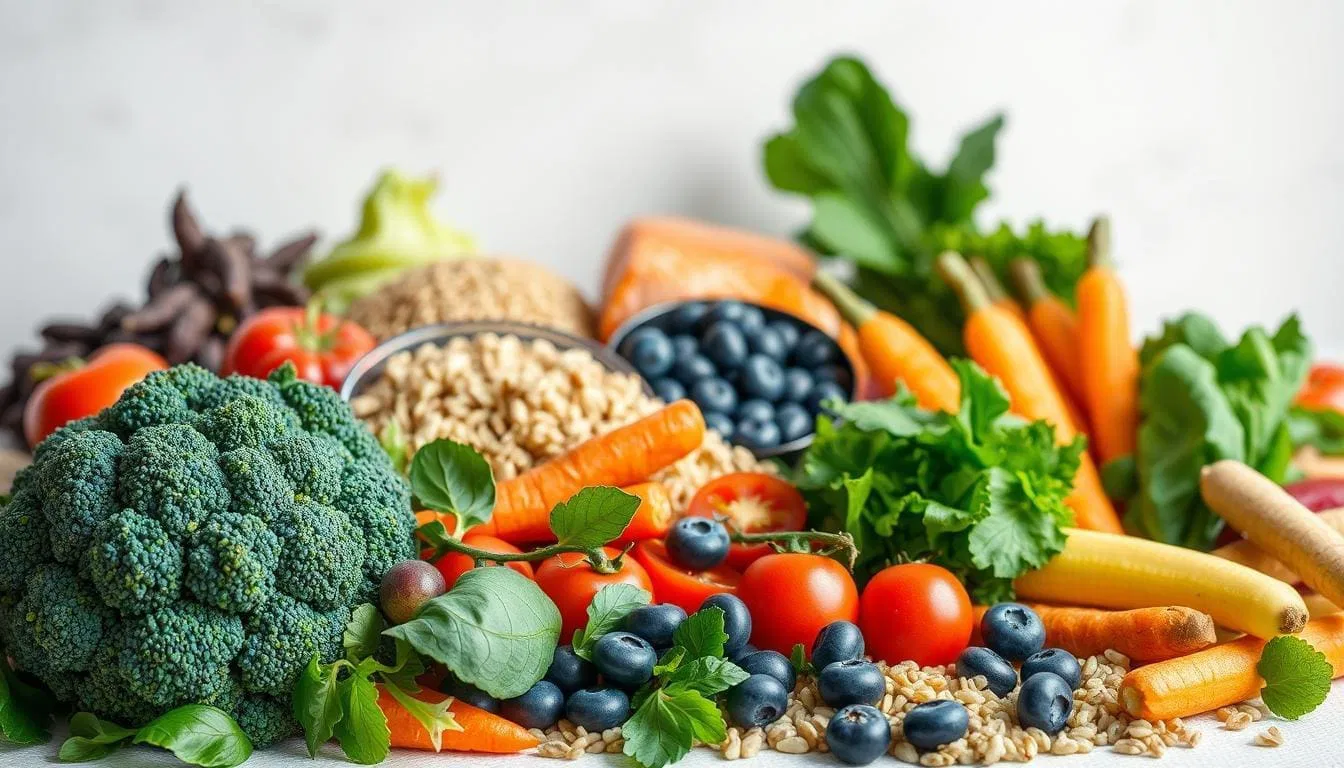
Beans, lentils, oats, berries, apples, vegetables, and whole grains bring bulk and structure to meals. That structure matters because the colon is not a storage closet. It is living tissue, and what sits there too long can affect the environment around those cells.
A practical American example is the lunch bowl. A bowl built with brown rice, black beans, corn, salsa, greens, and avocado gives more protective value than a refined-flour wrap with deli meat and chips. It also feels like real food, not a medical assignment. That matters because people repeat meals they enjoy.
Fiber also feeds gut bacteria that produce short-chain fatty acids. Those compounds help maintain the gut lining and may support healthier inflammation patterns. American Cancer Society guidance notes that whole grains and high-fiber foods may help lower colorectal cancer risk, which makes fiber one of the most sensible first steps.
Why slow increases work better than sudden diet overhauls
Many people hear “eat more fiber” and go too hard by Monday morning. Then bloating hits, gas follows, and the plan gets blamed instead of the pace. The better move is boring and effective: add fiber in small steps while drinking more water.
Start with oatmeal three mornings a week, then add beans to one dinner, then swap white bread for whole grain bread you can stand eating. The goal is not to win a nutrition contest. The goal is to make your gut accept the new pattern without revolt.
This is where patience beats intensity. A person who adds one fiber-rich meal per day for a year will likely build more protection than someone who tries a strict plan for nine days and quits. Prevention rewards repeat behavior, not dramatic starts.
Lower Risk of Colon Cancer by Rethinking Meat
Meat is where the conversation gets tense because food carries memory, culture, budget, and comfort. A grilled burger at a family cookout is not the same thing as a daily stack of bacon, sausage, hot dogs, and deli meat. The risk pattern comes from repetition, portion size, and the kind of meat that keeps showing up.
Why processed meats deserve the most suspicion
Processed meats are the easiest place to begin cutting back. Bacon, hot dogs, sausages, pepperoni, and many deli meats are changed through curing, smoking, salting, or added preservatives. The issue is not that one sandwich ruins your health. The issue is that many households turn these foods into daily defaults.
The World Health Organization has classified processed meat as carcinogenic to humans based on evidence linked to colorectal cancer. That classification sounds harsh, but it helps separate occasional enjoyment from routine exposure. The less often these foods sit at the center of the plate, the better.
A better swap is not always fake meat or expensive specialty food. Turkey chili with beans, tuna salad over greens, eggs with vegetables, rotisserie chicken with a grain bowl, or hummus on whole grain toast can all replace processed meat without making lunch feel empty.
How to handle red meat without turning dinner into a fight
Red meat needs a calmer conversation. Many people can reduce portions and frequency without treating steak like poison. The smarter question is not “Can I ever eat it?” but “How often is it taking space from foods my colon needs more?”
A family in Ohio might move from three beef-heavy dinners a week to one, then use chicken, fish, beans, or vegetable-heavy pasta on other nights. That small shift changes the weekly pattern without turning the kitchen into a battlefield. It also keeps meals familiar enough for everyone to accept.
The counterintuitive part is that the side dishes may matter as much as the meat. A small portion of beef beside beans, greens, and roasted sweet potatoes is a different meal from a double cheeseburger with fries and soda. Risk lives in the pattern.
Whole Foods Beat Ultra-Processed Convenience
Ultra-processed foods win because they are cheap, fast, salty, sweet, and everywhere. They sit in vending machines, gas stations, office drawers, school events, and late-night delivery apps. No one eats them because they failed a character test. People eat them because modern life keeps pushing them forward.
Why packaged shortcuts can crowd out protective foods
The problem with ultra-processed food is not one ingredient alone. It is the way these foods crowd out fiber, minerals, healthy fats, and plant variety. A dinner of frozen pizza and soda leaves little room for vegetables, beans, fruit, or whole grains. The colon notices that absence.
Many packaged snacks also make fullness harder to read. Chips, cookies, sweet cereals, and sugary drinks can add calories without the chewing, water, and fiber that help the body feel satisfied. Over time, that pattern can support weight gain, and the CDC lists higher body weight and low physical activity among modifiable risk factors connected with colorectal cancer risk.
A useful rule is to build the meal before adding the treat. Eat the bean soup, turkey sandwich on whole grain bread, yogurt with fruit, or vegetable omelet first. Then a small sweet or salty snack has less power over the whole day.
How simple home meals change the weekly pattern
Home cooking does not need to look like a cooking show. A sheet pan of salmon, broccoli, and potatoes can protect your week better than a complicated recipe you never make again. The best meals are the ones you can repeat when you are tired.
Keep a short list of reliable parts: canned beans, frozen vegetables, brown rice cups, oats, Greek yogurt, eggs, apples, nuts, tuna, whole grain pasta, and bagged salad. These foods make healthy eating less dependent on motivation. That is the hidden win.
One unexpected insight: convenience can work for you. Frozen berries, pre-cut vegetables, canned lentils, microwave brown rice, and rotisserie chicken can turn a weak night into a decent meal. The enemy is not convenience. The enemy is convenience with no fiber, no plants, and no real nourishment.
Alcohol, Sugary Drinks, and Weight Patterns Matter
Food gets most of the attention, but drinks can quietly shape cancer risk. Alcohol, soda, sweet tea, energy drinks, and daily dessert coffees can add a steady load that many people forget to count. The colon does not care whether extra calories came from a plate or a cup.
Why alcohol deserves a smaller role
Alcohol is woven into dinners, weekends, sports bars, weddings, and stress relief. That makes it easy to underestimate. Yet research reviews keep linking higher alcohol intake with colorectal cancer risk, and prevention guidance often places alcohol reduction beside diet and weight control.
A realistic change is to reduce drinking occasions before chasing perfection. Skip alcohol on weeknights, pour smaller servings, alternate with sparkling water, or keep beer and cocktails for planned social meals rather than routine decompression. The body benefits when exposure drops.
This point can feel unfair because alcohol is legal, common, and socially praised. Still, common does not mean harmless. A habit can be normal and still cost you more than you think.
How drink swaps support a healthier weight
Sugary drinks rarely make people feel full enough to offset what they add. A large soda, sweet tea, or blended coffee can slide into the day without changing dinner portions. Over months, that can push weight upward.
Weight matters because body fat is biologically active. It can influence insulin, inflammation, and hormones in ways that affect cancer risk. That does not mean people should crash diet. It means the daily drink routine deserves honest attention.
Good swaps are simple: water with citrus, unsweetened iced tea, coffee without heavy syrup, sparkling water, or milk with meals when it fits. Small drink changes may feel minor, but they often become the easiest calorie reduction a person can sustain.
Conclusion
A protective eating pattern does not ask you to become a different person. It asks you to stop letting the weakest foods make the most decisions. Start where the payoff is highest: add fiber you enjoy, cut processed meat frequency, build meals around whole foods, and shrink the role of alcohol and sugary drinks. These choices work best when they feel normal enough to keep.
Colon cancer prevention also belongs beside screening, not in place of it. Adults in the United States should talk with a clinician about personal risk, family history, symptoms, and when to begin screening. Diet can support the body, but it cannot replace a colonoscopy, stool test, or medical advice when those are needed.
The best plan is the one you can live with next month, not the one that looks impressive for three days. Pick one meal, one drink, and one grocery swap this week, then repeat them until they become your default. Your future health is built in ordinary kitchens.
Frequently Asked Questions
What foods are best for lowering colorectal cancer risk?
Beans, lentils, oats, whole grain bread, brown rice, berries, leafy greens, cruciferous vegetables, yogurt, fish, nuts, and fruit are strong choices. The best pattern is high in fiber, rich in plants, and lower in processed meats.
How much fiber should adults eat for better colon health?
Many adults benefit from gradually moving toward about 25 to 38 grams of fiber daily, depending on age and sex. Increase slowly, drink enough water, and choose foods like beans, oats, vegetables, fruit, and whole grains.
Are processed meats worse than red meat for colon health?
Processed meats deserve more caution because they are cured, smoked, salted, or preserved in ways linked with colorectal cancer risk. Bacon, sausage, hot dogs, pepperoni, and many deli meats should not be everyday foods.
Can eating whole grains help protect the digestive system?
Whole grains add fiber, minerals, and plant compounds that support better digestion and healthier gut function. Oats, brown rice, barley, quinoa, and whole grain bread are practical choices for American meals.
Does alcohol increase colorectal cancer risk?
Higher alcohol intake is linked with greater colorectal cancer risk. Cutting back on weeknight drinking, reducing serving sizes, and choosing alcohol-free days can lower exposure without requiring an extreme lifestyle shift.
Is dairy good or bad for colon cancer prevention?
Plain yogurt, milk, and other calcium-rich dairy foods may fit a healthy prevention pattern for many adults. People with lactose intolerance or dietary restrictions can ask a clinician about calcium-rich alternatives.
Can diet replace colon cancer screening?
Diet cannot replace screening. Healthy eating may help reduce risk, but screening can find early cancer or precancerous polyps before symptoms appear. Adults should follow medical guidance based on age, family history, and personal risk.
What is the easiest first diet change for busy adults?
Start with breakfast or lunch because those meals repeat often. Oatmeal with berries, a bean bowl, whole grain toast with eggs, or a salad with chicken and beans can improve the day without major planning.