









Autism daily routine training programs provide structured support that helps individuals with autism develop independence, confidence, and essential everyday skills. A predictable routine can create a stronger sense of stability while making daily activities easier to understand and manage. For many individuals on the autism spectrum, consistent guidance and personalized strategies can improve participation in home, school, and community environments.
Trucogni Autism understands that every individual has unique strengths, learning preferences, and developmental goals. Effective routine training focuses on creating meaningful opportunities for growth rather than simply completing daily tasks. Through individualized support, structured activities, and skill-building approaches, individuals can develop practical abilities that encourage greater independence.
Daily routines are an important part of life because they provide organization and familiarity. When individuals understand expectations and follow clear steps, they may experience reduced stress, improved confidence, and better engagement with everyday responsibilities. Autism daily routine training programs are designed to support these areas by combining personalized instruction with practical life experiences.
Understanding Autism Daily Routine Training Programs
Autism daily routine training programs focus on helping individuals build skills needed for everyday living. These programs use structured methods to teach important activities while considering communication abilities, sensory needs, behavioral patterns, and personal development goals.
Many individuals with autism benefit from routines because predictable activities can make unfamiliar situations feel more manageable. A consistent schedule can provide helpful information about what happens next, reducing uncertainty and supporting smoother transitions between activities.
Routine training may include support in several areas, such as:
- Personal hygiene and self-care activities
- Dressing and personal organization
- Meal preparation and household responsibilities
- Communication development
- Social participation skills
- Time management abilities
- Emotional awareness and coping strategies
- Following daily schedules independently
The purpose of these programs is to encourage functional skills that can be applied in real-life situations. Instead of focusing only on completing tasks, effective training helps individuals understand routines, make choices, solve problems, and participate more confidently in daily experiences.
Why Structured Routines Matter for Individuals With Autism
Structure plays an important role in supporting individuals with autism. Changes in schedules, unexpected events, or unclear instructions can sometimes create challenges. A well-planned routine provides a framework that allows individuals to understand expectations and approach activities with greater confidence.
For example, a morning routine can include waking up, brushing teeth, selecting clothing, preparing breakfast, and organizing personal items. By practicing these steps consistently, individuals can gradually increase their ability to complete activities with less assistance.
Structured routines can also support learning by creating repeated opportunities for skill development. Repetition allows individuals to become familiar with tasks while improving memory, confidence, and independence over time.
A successful routine should also include flexibility. While consistency is valuable, individuals can benefit from learning how to handle small changes. Gradually introducing variations within a routine can help develop adaptability and reduce difficulties during transitions.
Building Independence Through Everyday Skill Development
One of the primary goals of autism daily routine training programs is encouraging independence. Life skills are essential for personal growth because they allow individuals to participate more actively in daily activities and make meaningful choices.
Independence develops through practice, patience, and appropriate support. Complex activities can be divided into smaller steps, making them easier to understand and complete.
Examples of daily living skills include:
- Preparing simple meals and snacks
- Managing personal hygiene routines
- Organizing belongings
- Completing household tasks
- Following schedules and reminders
- Communicating personal needs
- Participating in social and community activities
Each completed step represents progress. Building independence does not happen instantly, but consistent training can help individuals strengthen abilities at a comfortable pace.
Programs that focus on practical skills can also help individuals prepare for future responsibilities. Developing confidence with everyday activities can create a stronger foundation for education, employment opportunities, relationships, and community involvement.
Personalized Strategies for Successful Routine Training
Every person with autism has different needs and learning styles. Because of this, personalized approaches are essential for creating effective training experiences. A routine that works well for one individual may require adjustments for another.
Professional support programs often consider factors such as:
- Communication preferences
- Sensory sensitivities
- Learning strengths
- Personal interests
- Developmental goals
- Current skill levels
Individualized planning allows training activities to become more meaningful and achievable. When routines are designed around a person’s abilities and needs, learning can become more comfortable and engaging.
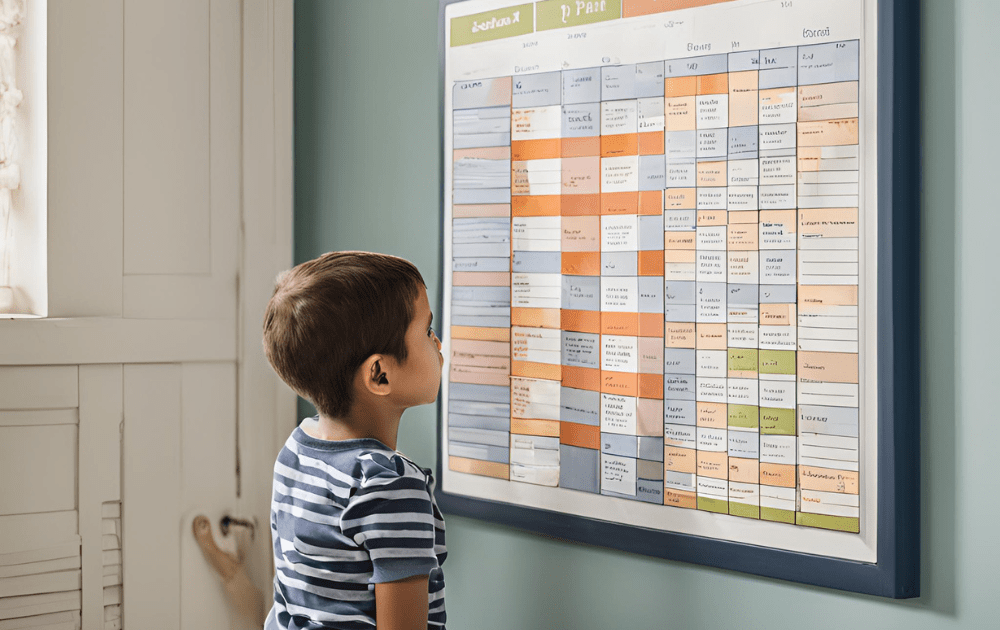
Visual supports are one commonly used strategy in autism routine training. Visual schedules, picture guides, written instructions, and step-by-step charts can help individuals understand sequences and complete activities more independently.
For example, a visual checklist for preparing for school may include steps such as packing a bag, putting on shoes, eating breakfast, and checking personal items. These tools provide clear guidance while encouraging self-management.
Supporting Communication and Emotional Regulation
Communication and emotional regulation are important parts of successful daily living. Some individuals with autism may experience challenges expressing needs, managing emotions, or responding to unexpected situations.
Autism daily routine training programs can include strategies that support emotional awareness and communication skills. Predictable routines may help individuals recognize patterns, prepare for transitions, and express feelings more effectively.
Helpful strategies may include:
- Teaching emotional identification
- Using calming techniques
- Creating predictable transition routines
- Providing sensory-friendly options
- Encouraging appropriate communication methods
Emotional regulation skills can improve participation in daily activities by helping individuals respond to challenges more effectively. When individuals have tools to manage emotions, they may feel more prepared to engage in learning, social interactions, and personal responsibilities.
The Importance of Family and Caregiver Involvement
Families and caregivers are important partners in supporting routine development. Consistency between professional training and daily life can help individuals apply learned skills in different environments.
Caregivers can support progress by creating encouraging spaces where individuals feel comfortable practicing new abilities. Simple actions, such as maintaining schedules, offering choices, and recognizing achievements, can make a meaningful difference.
Helpful caregiver strategies include:
- Maintaining clear and consistent routines
- Using simple and direct instructions
- Allowing enough time for task completion
- Celebrating progress and effort
- Adjusting routines as needs change
Support from family members can strengthen learning outcomes because individuals have more opportunities to practice skills beyond structured training sessions.
How Autism Routine Training Creates Long-Term Benefits
The benefits of autism daily routine training programs extend beyond immediate task completion. These programs help individuals develop skills that support long-term independence and confidence.
A strong routine can encourage:
- Better organization
- Improved self-confidence
- Increased participation
- Stronger communication
- Greater problem-solving ability
- More successful transitions
As individuals develop these abilities, daily activities may become easier to manage. Over time, consistent practice can help create habits that support personal growth and independence.
Routine training also promotes a positive understanding of individual abilities. The goal is not to change who a person is but to provide tools that make daily experiences more accessible and manageable.
Choosing the Right Autism Training Program
Selecting an appropriate autism support program requires careful consideration of individual goals and needs. Families should look for services that provide personalized planning, experienced guidance, and strategies focused on meaningful progress.
A quality autism training program should prioritize:
- Individual assessments
- Personalized learning plans
- Evidence-based support strategies
- Practical life skill development
- Collaboration with families and caregivers
Programs that focus on the whole individual can create stronger outcomes by addressing communication, independence, emotional regulation, and daily living abilities together.
Trucogni Autism provides structured support designed to help individuals develop essential skills through personalized approaches. By focusing on practical routines and individual growth, autism services can help create opportunities for greater confidence and participation in everyday life.
Creating Opportunities Through Consistent Support
Autism daily routine training programs play an important role in helping individuals develop independence, confidence, and valuable life skills. Through structured routines, personalized strategies, and consistent encouragement, individuals with autism can gain greater control over everyday activities.
A supportive approach recognizes that progress looks different for every person. Small achievements can lead to meaningful improvements when individuals receive the right guidance and opportunities to practice.
With effective routine training, daily activities can become more than simple tasks. They can become opportunities for learning, communication, confidence-building, and personal development. Trucogni Autism provides individualized support designed to encourage growth, independence, and a stronger quality of life for individuals and families navigating autism care.