









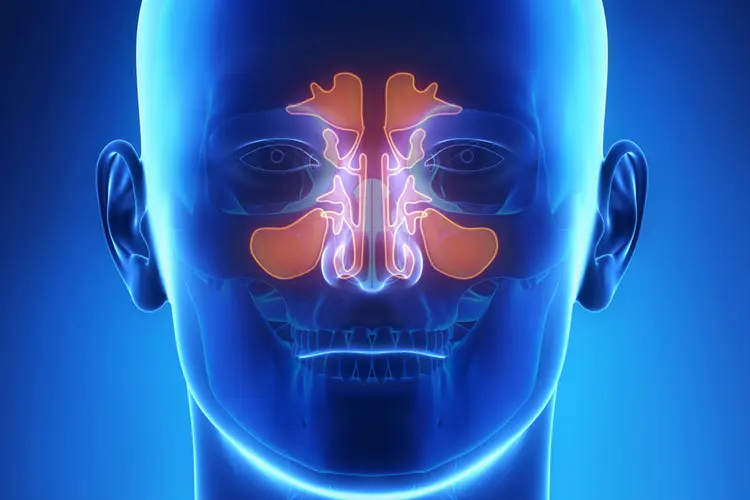
A stuffy nose that never clears can wear a person down faster than most people admit. Many adults first blame a cold, dry air, or seasonal pollen, but the deeper issue often sits in the pattern behind the symptoms. The top sinusitis causes usually involve blocked drainage, long-running inflammation, repeated infections, allergies, nasal growths, or structural problems inside the nose. That matters because treating every case like a passing cold can keep you stuck in the same cycle for months. For readers following practical health topics through trusted U.S. wellness coverage, sinus trouble is one of those everyday problems that deserves more respect than it gets. Chronic symptoms can affect sleep, focus, breathing, workouts, and even how your face feels by late afternoon. The goal is not to panic over every bad week of congestion. The smarter move is to understand what keeps the sinuses inflamed in the first place, then know when home care is not enough.
Sinusitis Causes Start With Blocked Drainage and Lingering Inflammation
Healthy sinuses are not empty caves doing nothing. They warm air, move mucus, trap irritants, and drain through narrow openings that do not tolerate much swelling. Once those openings narrow, mucus sits too long, pressure builds, and the lining stays irritated. CDC explains that sinus infections happen when fluid builds up in the sinuses, which can allow germs to grow.
Why mucus flow matters more than most people think
Mucus gets treated like the villain, but it is part of the body’s cleanup crew. The trouble begins when it cannot move. A person in Chicago may blame winter air, while someone in Houston may blame humidity, yet both can end up with the same problem: swollen tissue trapping mucus where it should not stay.
That trapped mucus changes the whole environment inside the sinuses. It becomes thicker, harder to clear, and more irritating to the lining. Once that cycle starts, blowing your nose harder rarely fixes it.
The counterintuitive part is that a person can feel “infected” without a major bacterial infection driving everything. In many chronic cases, inflammation keeps the problem alive even after the first cold or flare has passed. That is why quick fixes often disappoint.
How a short cold can become a long sinus problem
A normal viral cold can leave behind swelling after the worst symptoms fade. The cough may improve, the fever may never appear, and the person may return to work. Still, the nose stays blocked enough to disturb drainage.
This is common in busy adults who push through illness without rest. A teacher in Ohio, a nurse in Florida, or a warehouse worker in Texas may keep going because life does not pause for congestion. The sinuses, though, may not recover at the same speed as the schedule.
Mayo Clinic notes that chronic sinusitis can involve infection, nasal polyps, and swelling of the sinus lining, all of which can interfere with normal breathing and mucus movement. The lesson is plain: duration changes the meaning of symptoms. A bad week is one thing. Twelve weeks of pressure, blockage, or drainage deserves a closer look.
Allergies and Airborne Irritants Keep the Nose on Alert
Once drainage problems explain the first layer, the next question is why the nasal lining stays so reactive. In the United States, allergies and irritants are everywhere: spring pollen in the Southeast, wildfire smoke in the West, mold in damp basements, dust in older homes, and workplace fumes in industrial settings. The nose does not care whether the trigger feels “normal” to your daily life.
Seasonal allergies can turn into year-round pressure
Allergies create swelling before germs even enter the story. Pollen, dust mites, pet dander, and mold can make the immune system treat harmless particles like threats. The result is persistent nasal congestion, sneezing, postnasal drip, and sinus pressure that keeps returning.
Many adults underestimate allergies because symptoms do not always look dramatic. You may not have red eyes or constant sneezing. You may simply wake up blocked, clear your throat all morning, and feel pressure behind your cheeks after mowing the lawn.
A strange truth: the worst allergy-related sinus problems often come from low-grade exposure, not one obvious attack. A dog sleeping near the bed, an old air filter, or hidden bathroom mold can keep the nose inflamed for months. Small exposure, repeated daily, can feel bigger than one brutal pollen weekend.
Smoke, pollution, and indoor air can quietly irritate sinuses
Air quality is not only an outdoor issue. Cigarette smoke, vaping aerosols, scented candles, strong cleaners, dust, and dry heated air can all irritate the nasal lining. For someone already prone to chronic sinus inflammation, those triggers can keep the tissue swollen long after the original cause is gone.
This matters in American homes where indoor air gets recycled for long stretches. During winter, closed windows and forced heat can dry the nose. During summer, air conditioning may reduce humidity too much for some people. Neither season is automatically safe.
The practical fix is not to chase a perfectly sterile home. That will drive anyone crazy. A better approach is to reduce the most obvious triggers first: change HVAC filters, control dust in the bedroom, avoid smoke exposure, and use fragrance-free products when symptoms flare. Boring steps often beat dramatic ones.
Nasal Polyps, Anatomy, and Physical Blockages Change the Whole Picture
Some sinus problems are not mainly about what you breathe in. They are about the shape and condition of the space air must pass through. When nasal passages are narrowed by growths, swelling, a deviated septum, or enlarged tissue, the sinuses lose the easy drainage they need.
Nasal polyps can hide behind ordinary congestion
Nasal polyps are soft, noncancerous growths linked with long-term inflammation. They do not always announce themselves with sharp pain. Many people notice a dull loss of smell, constant blockage, mouth breathing at night, or a heavy feeling that never fully clears.
Mayo Clinic lists asthma, aspirin sensitivity, cystic fibrosis, dental infections, vitamin D deficiency, and family history among conditions or factors linked with nasal polyps risk. That does not mean every blocked nose points to polyps, but it does mean repeated symptoms deserve more than another random decongestant spray.
The frustrating part is that polyps can make good habits feel useless. You can drink water, avoid smoke, rinse your nose, and still feel blocked because the physical space remains crowded. That is when an ENT exam can save months of guessing.
A deviated septum can make one side work harder
A deviated septum means the wall between the nostrils sits off-center. Some people are born with it. Others develop it after a sports injury, car accident, or old broken nose they never treated. The result can be uneven airflow and poor drainage on one side.
This does not always cause symptoms. Plenty of adults have a crooked septum and breathe well. The issue appears when the narrow side combines with allergies, swelling, or repeated infections. Then a minor blockage becomes a stubborn one.
Think of it like traffic during construction. A narrow road may work fine on a quiet morning. Add rain, a lane closure, and rush hour, and everything stalls. Sinuses work the same way. Anatomy may not be the only problem, but it can decide how badly every other problem feels.
Infections, Immune Strain, and Everyday Health Patterns Add Fuel
A chronic sinus issue often has more than one cause. A person may start with allergies, then catch a cold, then develop weeks of thick drainage, then use sprays too long, then sleep poorly. By the time they seek help, the original trigger is buried under a stack of habits and reactions.
Repeated infections can reset the inflammation cycle
Sinus infections may follow viral respiratory illnesses, and most acute cases do not need antibiotics. CDC notes that many sinus infections improve without antibiotics and that antibiotics are not needed for many cases. That point matters because the wrong treatment can distract from the real driver.
Repeated infections can still be serious. If symptoms keep coming back, last for weeks, or worsen after seeming to improve, the pattern deserves medical attention. Thick drainage, facial pressure, reduced smell, and night coughing can all signal that the sinuses are stuck in a loop.
American adults often wait too long because they expect to “tough it out.” That mindset works for a mild cold. It fails when the same symptoms keep stealing sleep and energy. A primary care doctor or ENT can check whether infection, inflammation, or blockage is leading the cycle.
General health can shape sinus recovery
The sinuses do not operate apart from the rest of the body. Asthma, reflux, immune problems, poor sleep, dehydration, and uncontrolled allergies can all affect how well the nose recovers. Even stress can make symptoms feel harder to manage because tired bodies handle inflammation poorly.
This is where chronic sinus inflammation becomes a whole-life issue. A person who sleeps with mouth breathing may wake up dry and congested. Someone with untreated reflux may notice throat clearing and postnasal drip. A shift worker may recover slowly because rest is broken into scraps.
The unexpected insight is that sinus care is not always about adding more medicine. Sometimes the biggest improvement comes from removing friction: better sleep, cleaner bedroom air, consistent allergy control, safer nasal rinsing, and fewer irritants. The body does not need perfection. It needs fewer obstacles.
When Chronic Symptoms Need a Smarter Medical Plan
Long-term sinus trouble should not be treated like a personality flaw or a seasonal inconvenience. If symptoms last 12 weeks or more, keep returning, or affect daily life, the pattern needs a real plan. The best care usually starts by identifying which trigger has the most control over your symptoms.
Diagnosis should match the actual cause
A good evaluation looks beyond “you sound congested.” A clinician may ask about allergies, asthma, smell loss, facial pressure, dental pain, workplace exposure, smoking, home mold, and how long symptoms have lasted. An ENT may use nasal endoscopy or imaging when the story suggests structural blockage or chronic disease.
This matters because treatments differ. Allergy-driven symptoms may need allergy control. Polyps may need nasal steroid therapy or other specialist care. Structural blockage may require a discussion about procedure options. Repeated bacterial infections need a different conversation from noninfectious swelling.
The worst plan is the vague plan: take random medicine whenever symptoms flare and hope the next season is kinder. Hope is not a strategy. Pattern tracking is.
Home care helps most when it is consistent and safe
Saline rinses, hydration, humidification, and trigger control can help many adults, especially when symptoms are mild or tied to dry air and allergens. Use distilled, sterile, or previously boiled water for nasal rinsing, because tap water is not safe for that purpose. That detail is small, but it matters.
Over-the-counter decongestant sprays deserve caution. They can help short-term, but using them too long may worsen rebound congestion. Many people learn this the hard way after turning a three-day rescue tool into a nightly habit.
The cleanest next step is simple: write down symptom duration, triggers, sleep impact, smell changes, and what treatments you already tried. Bring that record to a healthcare provider instead of relying on memory. For stubborn sinusitis causes, a clear timeline often gets you closer to relief than another guess from the pharmacy aisle.
Sinus problems become easier to manage when you stop treating every flare like a random event. The body leaves clues through timing, triggers, side dominance, smell changes, sleep quality, and response to basic care. Chronic symptoms do not always mean something dangerous, but they do mean the usual cold-and-congestion playbook has failed. The strongest move is to identify your personal pattern, reduce the triggers you can control, and seek medical help when symptoms last too long or keep returning. The most common sinusitis causes are not mysterious once you look at drainage, inflammation, anatomy, allergies, infections, and daily exposures as connected parts of the same story. Pay attention before congestion becomes your normal. Schedule a proper evaluation if your symptoms have lasted for weeks, and bring a written symptom timeline so the visit starts with facts, not frustration.
Frequently Asked Questions
What are the most common causes of long-term sinus congestion in adults?
Allergies, blocked sinus drainage, repeated respiratory infections, nasal polyps, deviated septum, smoke exposure, and indoor irritants are common reasons. Long-term congestion usually has more than one trigger, so tracking timing, location, and symptom patterns can help a clinician find the main cause.
How do allergies lead to chronic sinus pressure?
Allergies swell the nasal lining and narrow sinus drainage pathways. When mucus cannot move well, pressure builds and symptoms linger. Pollen, dust mites, pet dander, and mold are common U.S. triggers, especially when exposure happens daily inside the bedroom or workplace.
Can nasal polyps cause constant sinus symptoms?
Nasal polyps can block airflow and drainage, leading to stuffiness, reduced smell, postnasal drip, and facial pressure. They are linked with long-term inflammation and may require medical treatment. A clinician can check for them during a nasal exam or ENT evaluation.
When should an adult see a doctor for sinus problems?
See a healthcare provider when symptoms last 10 days without improvement, worsen after getting better, keep returning, or continue for 12 weeks or more. Severe facial pain, vision changes, high fever, confusion, or swelling around the eyes needs urgent medical attention.
Can a deviated septum make sinus infections more likely?
A deviated septum can narrow one nasal passage and interfere with drainage. It may not cause trouble alone, but it can worsen symptoms when allergies, swelling, or infection are also present. An ENT can tell whether anatomy is part of the problem.
Are antibiotics always needed for sinus infections?
Antibiotics are not always needed because many sinus infections begin after viral illnesses and improve without them. A clinician may consider antibiotics when symptoms suggest a bacterial pattern, last longer than expected, or worsen after initial improvement.
What home steps can help recurring sinus pressure?
Saline rinses with safe water, bedroom dust control, hydration, smoke avoidance, and steady allergy management can help many people. Replace HVAC filters, reduce strong fragrances, and avoid overusing nasal decongestant sprays. Consistency matters more than trying a new remedy every week.
Can chronic sinus issues affect sleep and daily energy?
Blocked nasal breathing can disturb sleep, cause mouth dryness, increase snoring, and leave you tired during the day. Postnasal drip may also trigger coughing at night. Better sinus control often improves rest because breathing becomes easier and nighttime irritation drops.